01
Send your requirements
Drawings or samples, plus quantity and target market.

From existing-tooling customization to full new-tooling launches — structured for overseas B2B buyers.
Configure material, finish, logo, accessories, and packaging on dies we already run — or fund new tooling when you need a new shape, fit, or exclusive structure. Same factory, different investment and lead time.
Stay on proven deep-draw platforms. We change grade, surface, marking, compatible accessories, and retail packing — without new dies or a redesign of the formed outline.
Best fit
Brands, distributors, and importers who want a private-label look and pack on a proven part — faster sampling and replenishment, no tooling deposit.
Everything in existing-tooling customization, plus a new contour or mating geometry: DFM review, in-house tooling, T1/T2 golden-sample sign-off, then production with agreed inspection and compliance docs.
Best fit
OEM/ODM programs that need exclusive shapes or appliance-level fitment — buyers ready to fund tooling and a longer NPI cycle.
| Dimension | Existing tooling | New tooling |
|---|---|---|
| Geometry & dies | Keep current outline and dies. | New or major die change. |
| What you customize | Grade, finish, logo, accessories, packaging. | All of that, plus shape / fit / exclusive structure. |
| Timeline | Shorter — finish, marking, packing, and changeover. | Longer — DFM, tooling, T1/T2, then ramp. |
| Cost model | No new tool amortization; MOQ from batch / changeover. | Tooling and sampling amortized into the program. |
| Typical buyer | Private-label variants, channel SKUs, replenishment. | Exclusive OEM parts, appliance platforms, annual frames. |
Material, finish, and accessory availability depend on engineering review, target-market regulations, and line capability. Structural add-ons must meet assembly safety and production consistency. Indicative only — the formal quote and technical agreement prevail.
Clear gates — so your RFQ time is not wasted.
Day 0–1
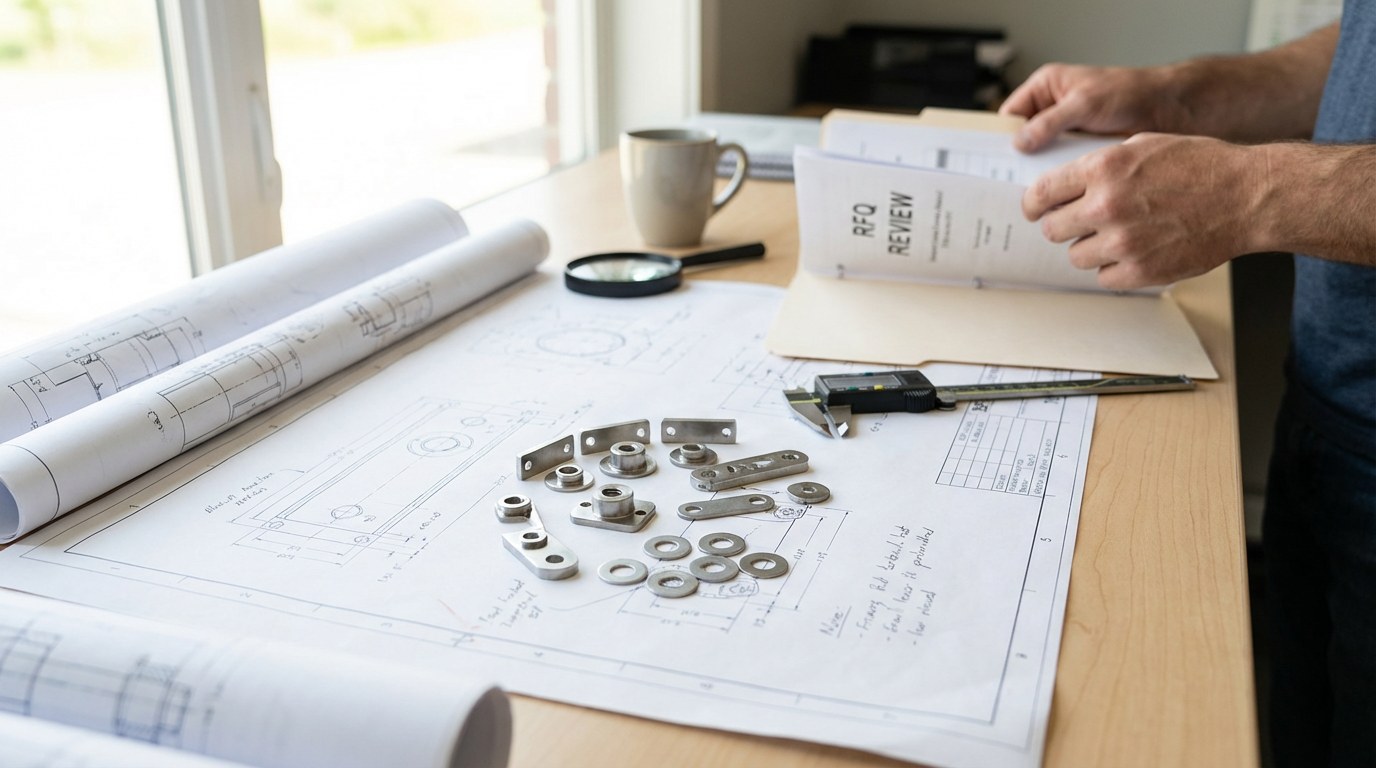
Sales and engineering confirm files, product line, and target market. Missing data — we ask once, clearly.
Day 1–3
Forming route, material grade, risk notes (crack zones, draft, weld if any), and tooling class (existing die vs new). DFM sign-off before mold build.
Day 3–5
Tooling fee (if new), sample cost, tiered unit pricing, payment terms, and lead-time assumptions — when inputs are sufficient.
3–5 working days
SLA or CNC mock-up to verify appearance and assembly fit. Existing-tooling customization usually skips this stage.
30–45 calendar days
Mold build from DFM sign-off and tooling down payment; trial shots for T1/T2 sign-off. Signed samples become the mass-production golden standard.
After sign-off
Production PO and deposit (typically 30%), material lock, IPQC during the run, OQC report and export documents per shipment.
From Luzhenyu NPD and OEM commercial playbooks. Program-specific dates are confirmed in the written quotation and technical agreement.
SLA resin 3D print or CNC aluminum to verify appearance and assembly fit (new geometry / new tooling programs).
Starts after DFM sign-off, prototype approval on new-geometry programs, and tooling down payment — built in our in-house mold center.
Trial shots for test and sign-off; approved samples become the mass-production golden standard — complex programs often need a 2–6 week validation window.
After sample sign-off, PO and deposit: ~5 working days when coil is in stock; add ~7 working days when new raw material must be purchased.
Existing-tooling customization may skip prototype and new-tooling stages. State your launch date in the RFQ for capacity planning.
Step 1
After DFM sign-off, tooling fee activates in-house mold build (new programs) or fixture adjustments (variants).
Step 2
Trial shots against agreed limits — signed samples become the production golden standard.
Step 3
Production slot and material locked; rolling forecasts welcome for capacity planning.
Step 4
Typical 5 working days from stocked material; +7 days when new coil must be purchased.
Step 5
Customer or third-party inspection, balance payment, export documentation and OQC pack.
Eight stages from drawing to delivery. Lead times, payment, and technical detail are on our OEM Programs page.
Drawings or samples, plus quantity and target market.
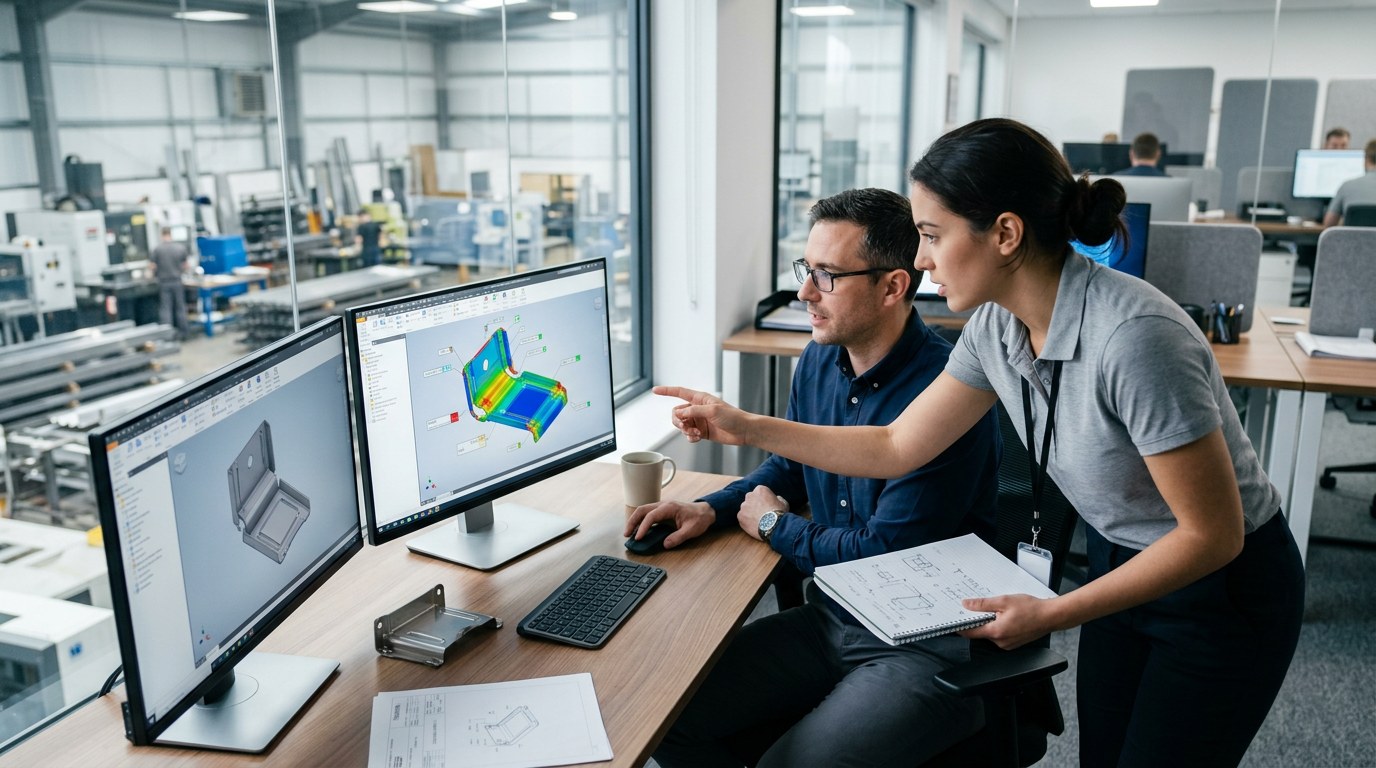
Confirm existing tooling vs. new dies and the production route.
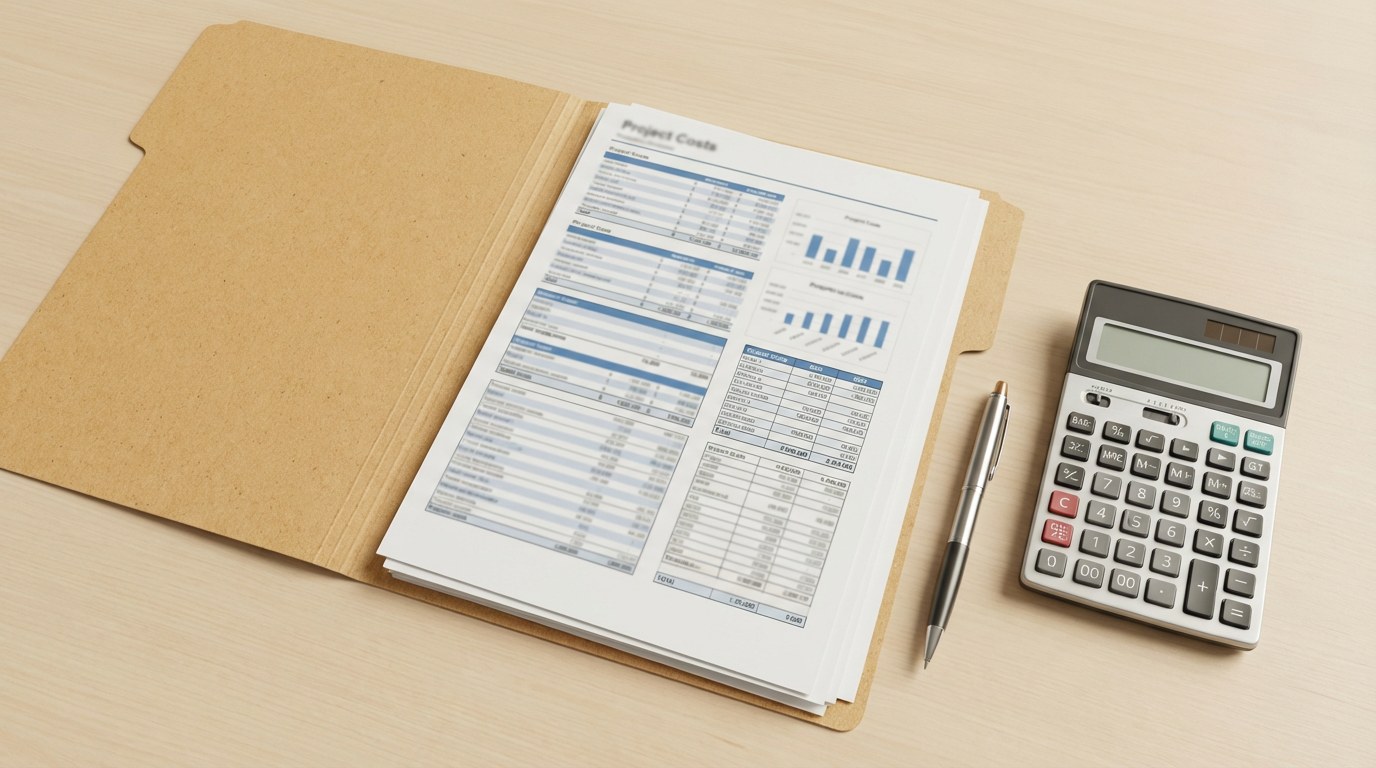
Tooling fee, sample cost, unit tiers, lead time, and payment terms.
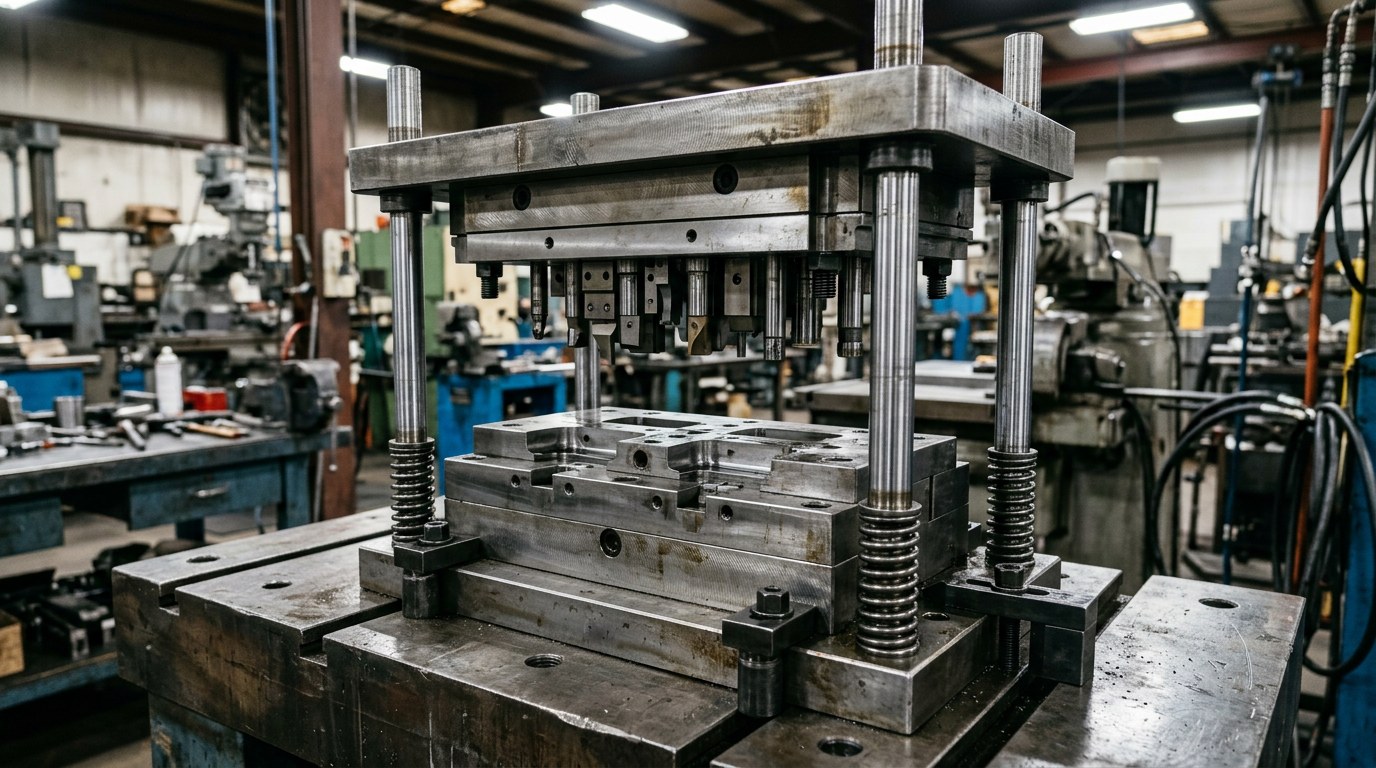
In-house molds after quote acceptance; prototype first on new shapes when needed.
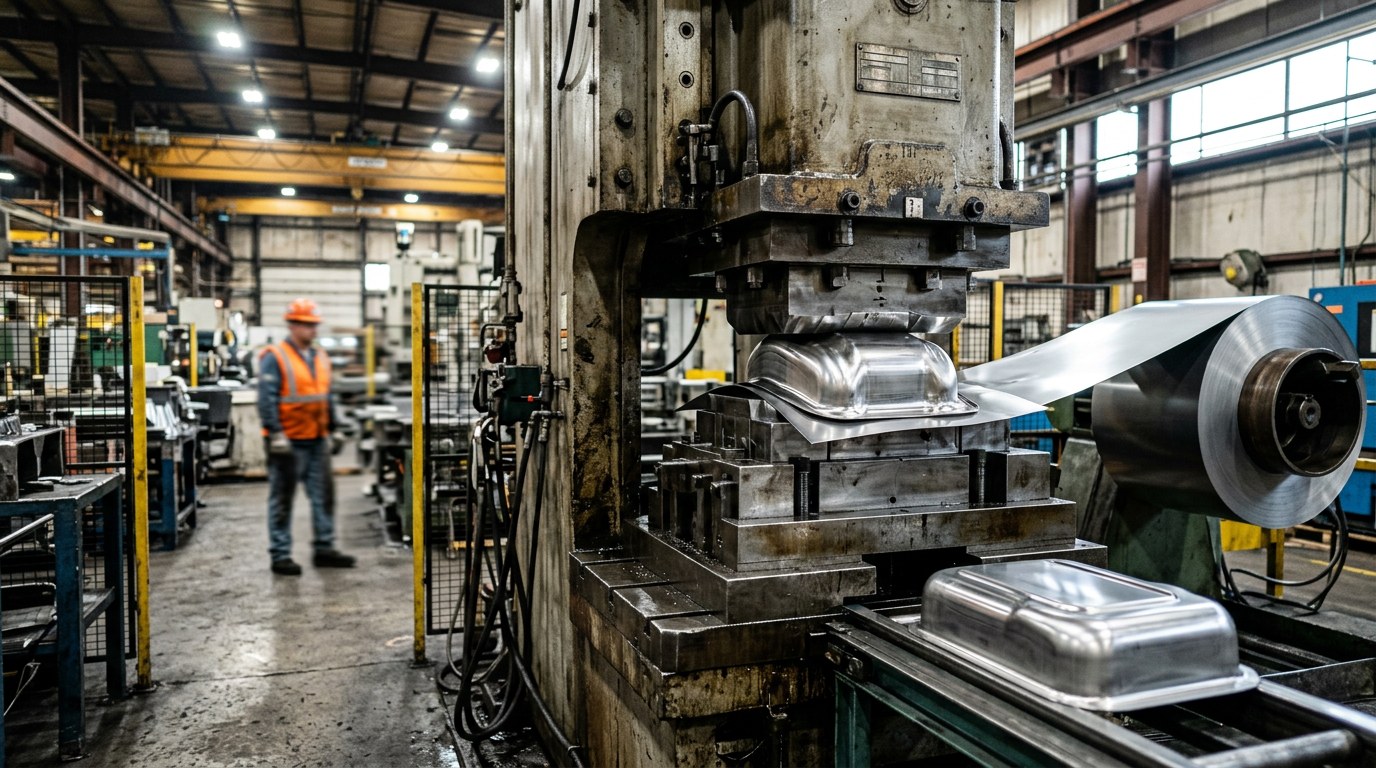
Trial parts for your sign-off — the mass-production standard.
Mass PO and deposit to lock material and scheduling.
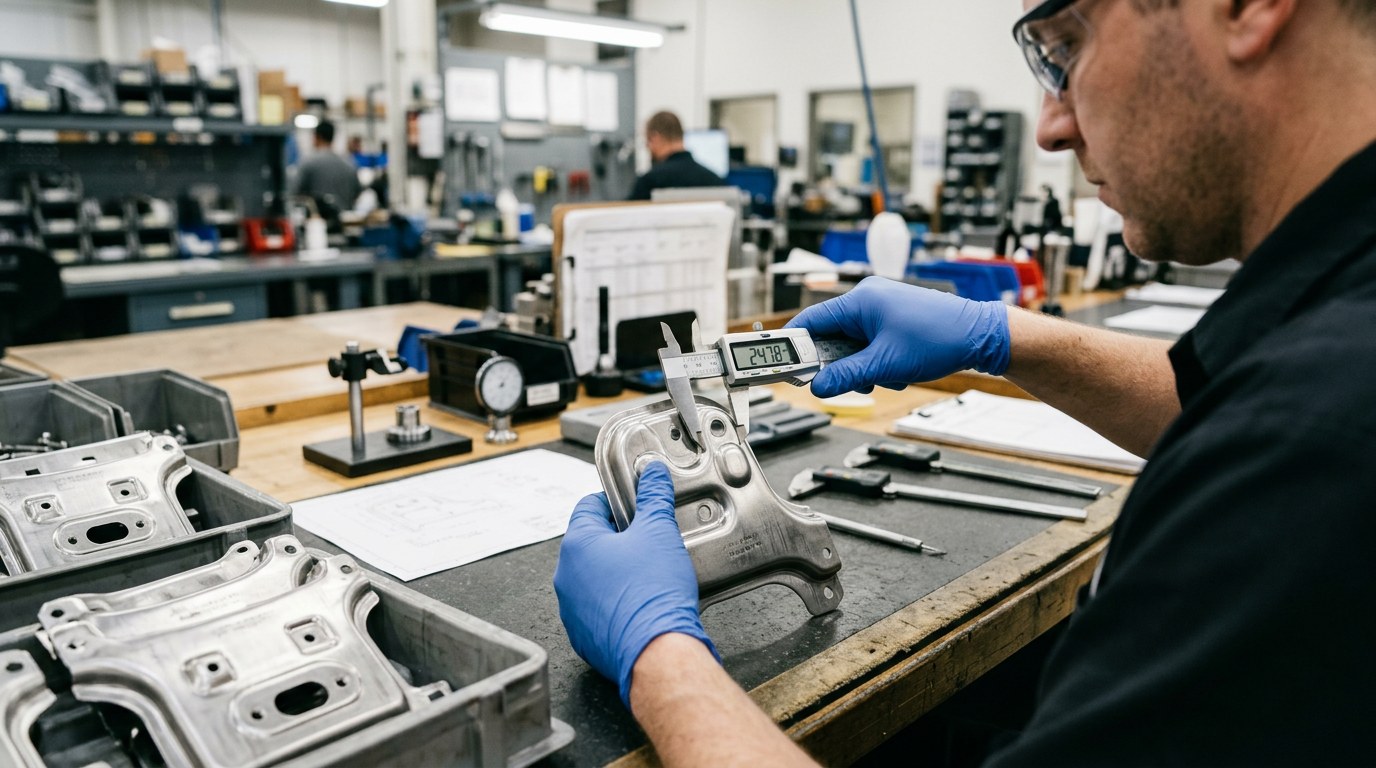
Forming, finishing, and in-process QC per the approved route.
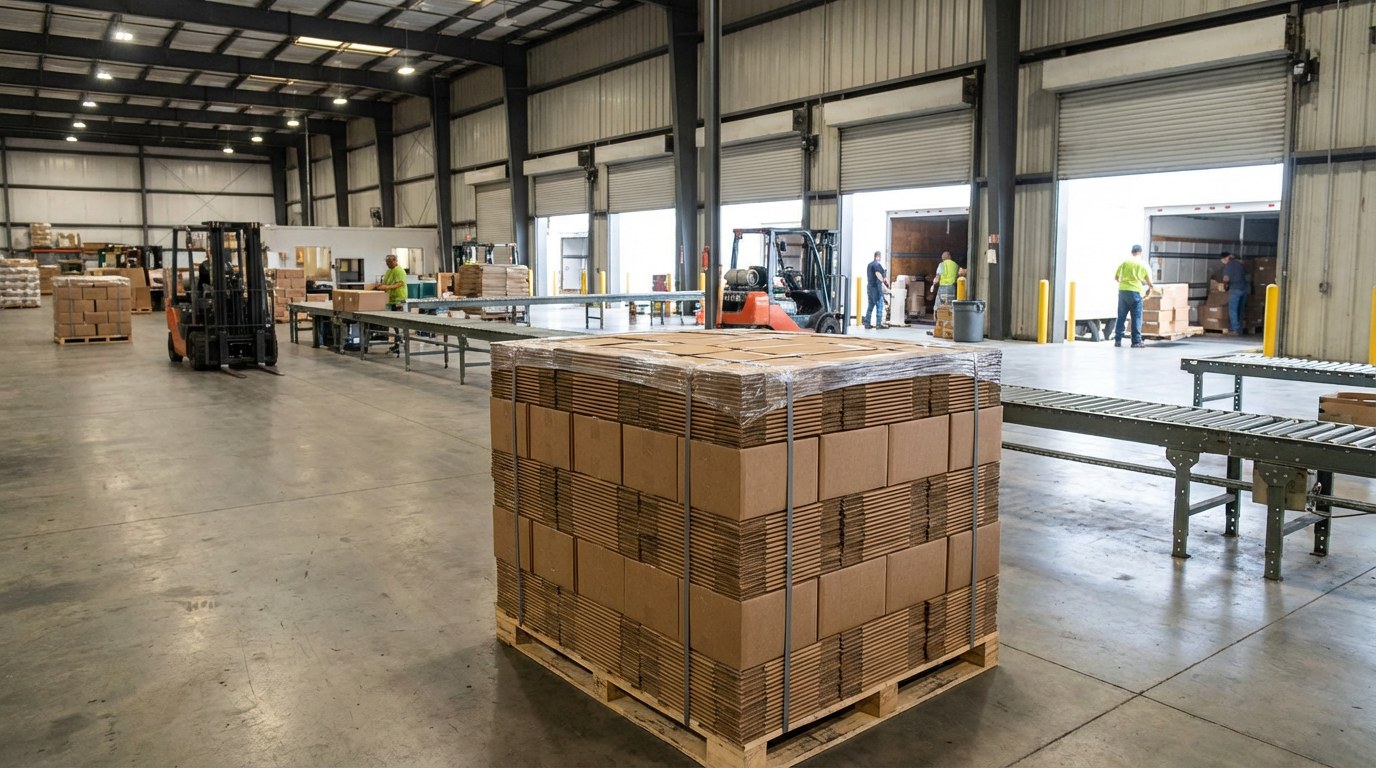
Final check, packing, and export documents.
Prefer email? Send drawings and volumes — no third-party storefront required.
Submit inquiryAnswers for overseas sourcing teams evaluating a stainless forming partner — aligned with how deep-draw OEM factories quote and run programs.
At minimum: product type (mixer bowl, plate, lunch box, etc.), estimated annual quantity, target market, and any drawing — PDF, STEP, IGES, SolidWorks, DWG, or photos of a golden sample with key dimensions. The more complete the input, the faster we return DFM notes, tooling class (existing vs new), and tiered pricing.
Yes — the site shows reference programs, not a fixed catalog. If your part is a stainless deep-drawn or stamped shell (including irregular profiles), send your print. We evaluate formability, propose single-pass vs multi-pass + intermediate annealing routes, and quote tooling only when geometry requires new dies.
Yes. That is core to our mixer-bowl and custom-shell work. When depth, asymmetry, or material work-hardening exceeds a single-pass limit, we sequence multiple draws with intermediate anneal/stress relief — the same approach used to solve cracking and wall-thickness issues on high-torque bowl programs.
Primarily 304 and 316/316L for food-contact programs; 201 where spec and channel allow. We verify grade, gauge, and elongation at IQC. LFGB, FDA, RoHS, and REACH documentation can be coordinated per PO with material traceability.
Existing-tooling customization (material, finish, logo, accessories, pack on our bowl/container molds): trial batches are often feasible — share your annual volume tiers. Brand-new tooling: MOQ follows cavitation and program economics; deep drawing usually needs repeat volume to amortize dies. There is no single MOQ for all parts — RFQ with forecast quantities.
No purchase obligation. Share a STEP/IGES/PDF, reference photo, or golden sample description — engineering replies with feasibility and a quotation path.
Typical first response within 1 business day (WhatsApp often faster for Asia/EU time zones).