
Custom Deep-Drawn Stainless Food Container
A drawing-based stainless container reference showing controlled body forming, rim preparation, bottom stability, and repeatable cosmetic handling.
A neutral capability reference for small and medium stainless food containers. The family covers cylindrical, tapered, and stepped bodies with drawing-based review of rim, bottom,… Read full overview
- Part family — Small or medium formed stainless food container
- Core process — Deep drawing, trimming, rim and bottom forming
- Supply model — Custom processing reference; no stock SKU
- Finish — Polishing, cleaning, or specified finish by project
- Material
- SUS201 / SUS304 / SUS316 reference; final grade by project
- Volume & MOQ
- MOQs are program-specific — share annual volume tiers for cavitation and landed pricing.
New geometry not previously produced?
Many OEM programs begin with new geometry. We review the drawing, material, tooling route, multi-pass forming needs, and project quality requirements before recommending a path from sampling to serial production.
Typical application
For small and medium food-container and kitchen-appliance programs that need a formed stainless body with controlled rim, bottom, and appearance requirements.
Quality / approval considerations
Material, critical dimensions, edge condition, appearance, and inspection scope are confirmed against the project definition and agreed quality gates.
RFQ package should include:
- Engineering drawing or dimensional sample photos with critical dimensions
- Annual volume tiers and target delivery window
- Material grade, thickness, surface finish, and compliance market
- Critical mating and quality features: hub interface, weld load capacity, rim circularity, or cosmetic acceptance criteria
Custom processing reference — final geometry, material, thickness, tolerances, finish, tooling route, and production scope are confirmed from the project drawing, sample, and engineering review. This is not a stocked product or customer case.
Program overview
A neutral capability reference for small and medium stainless food containers. The family covers cylindrical, tapered, and stepped bodies with drawing-based review of rim, bottom, cleaning, and appearance requirements.
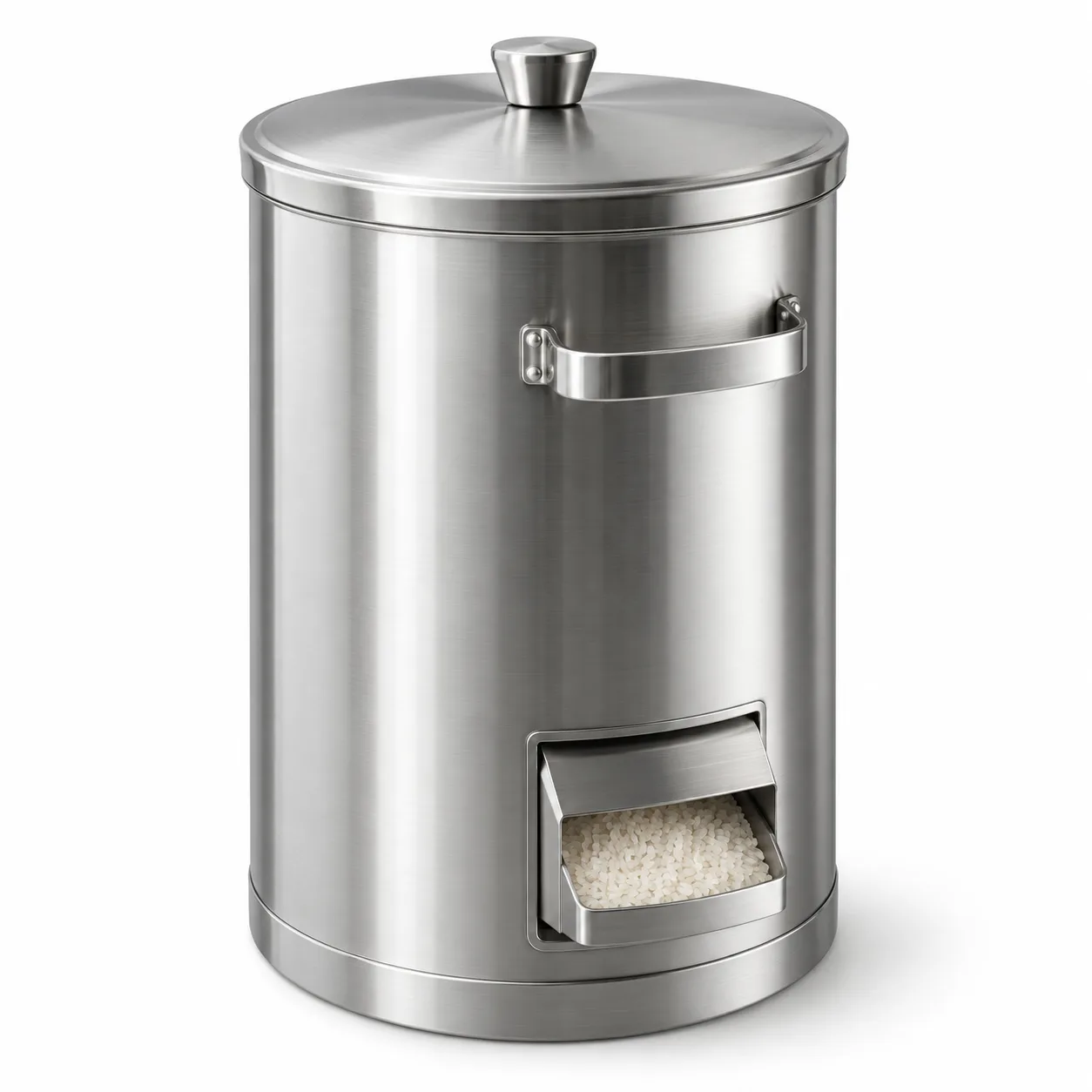
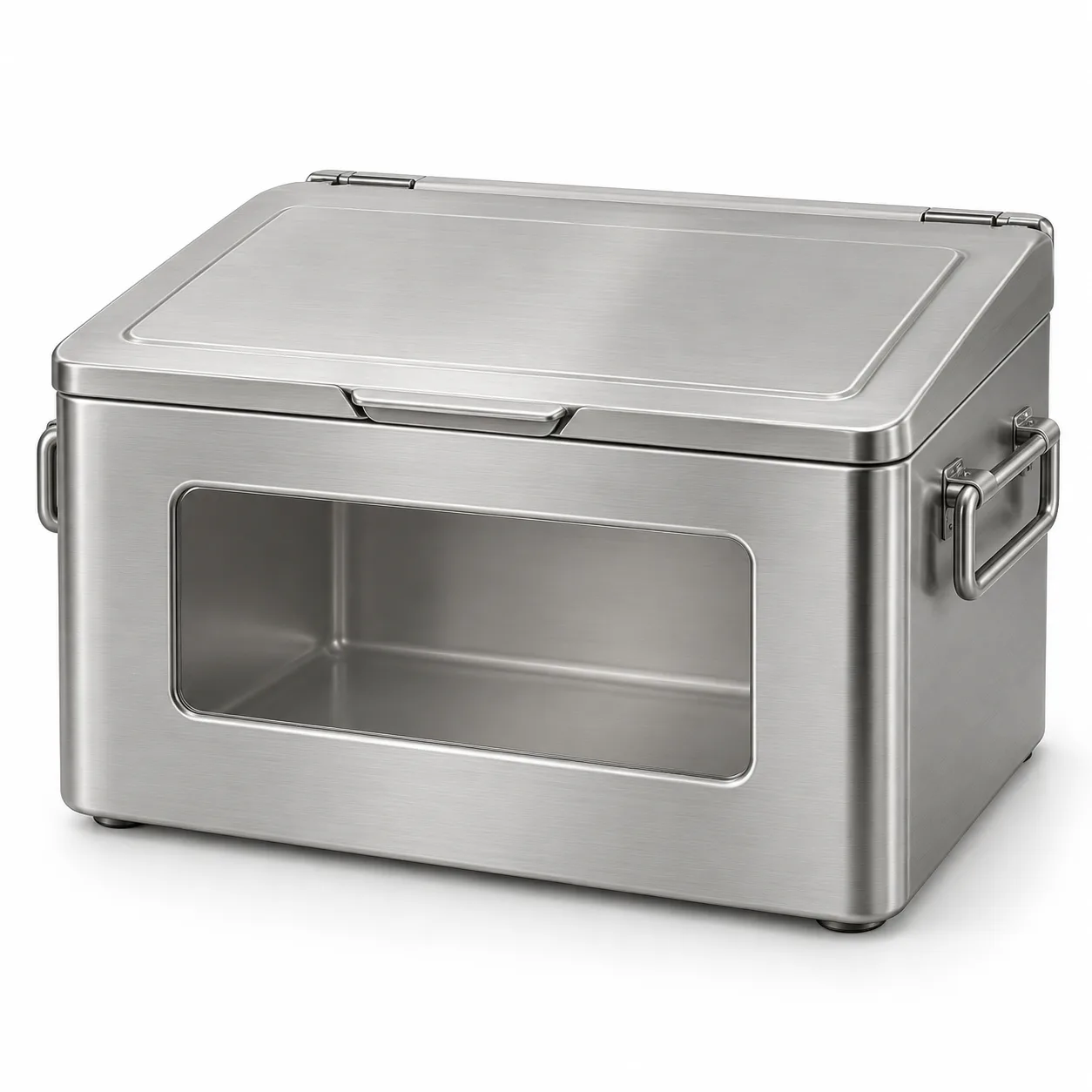
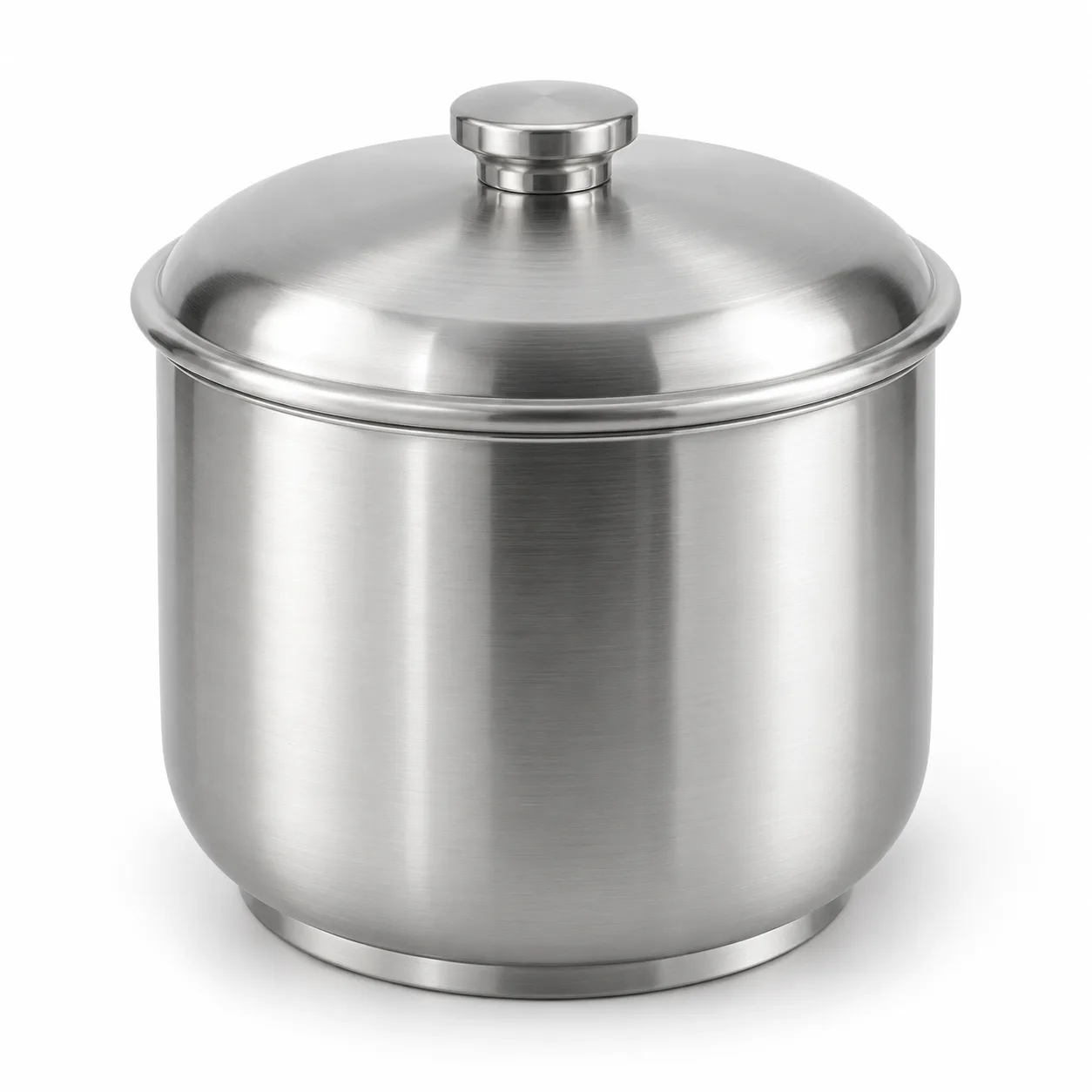
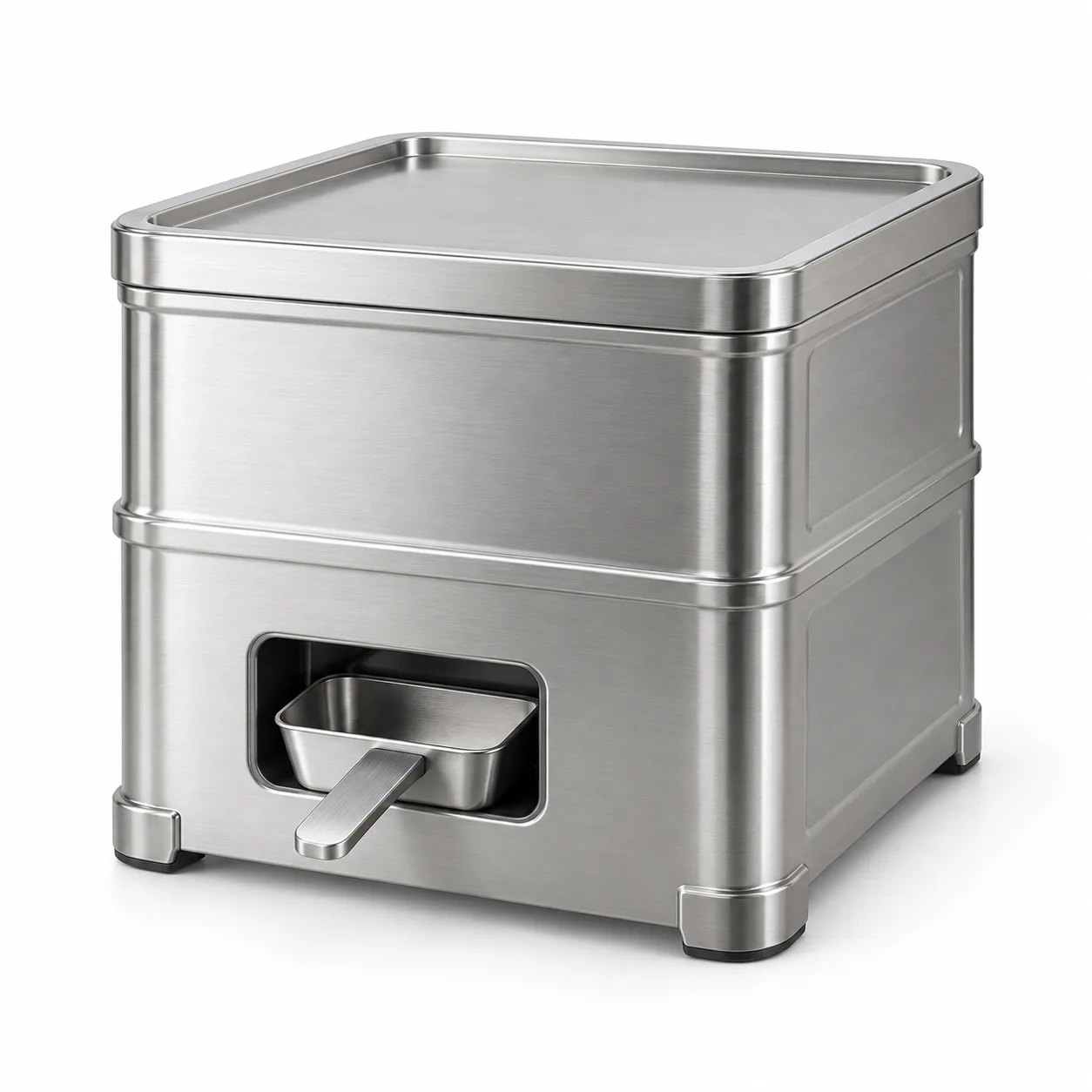
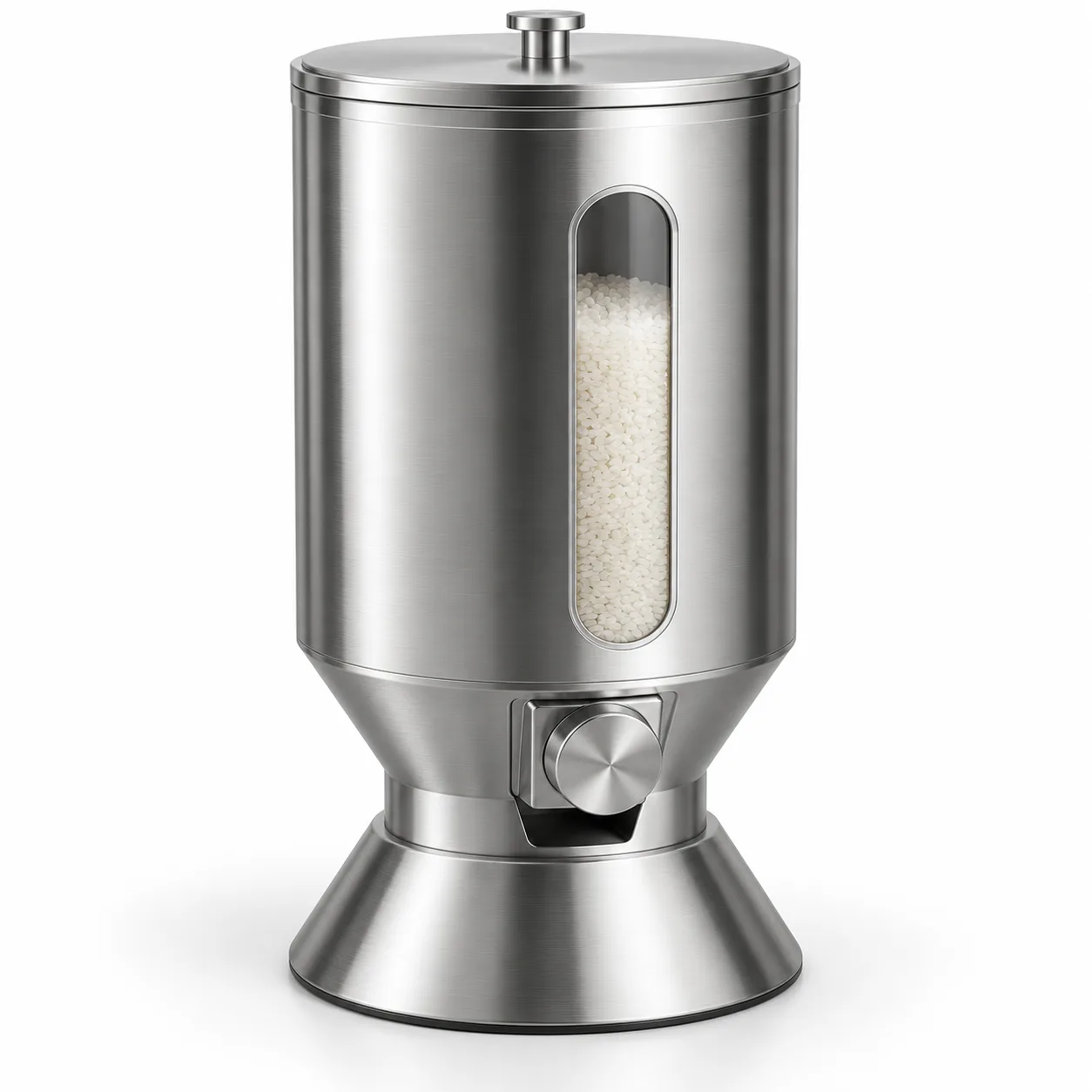
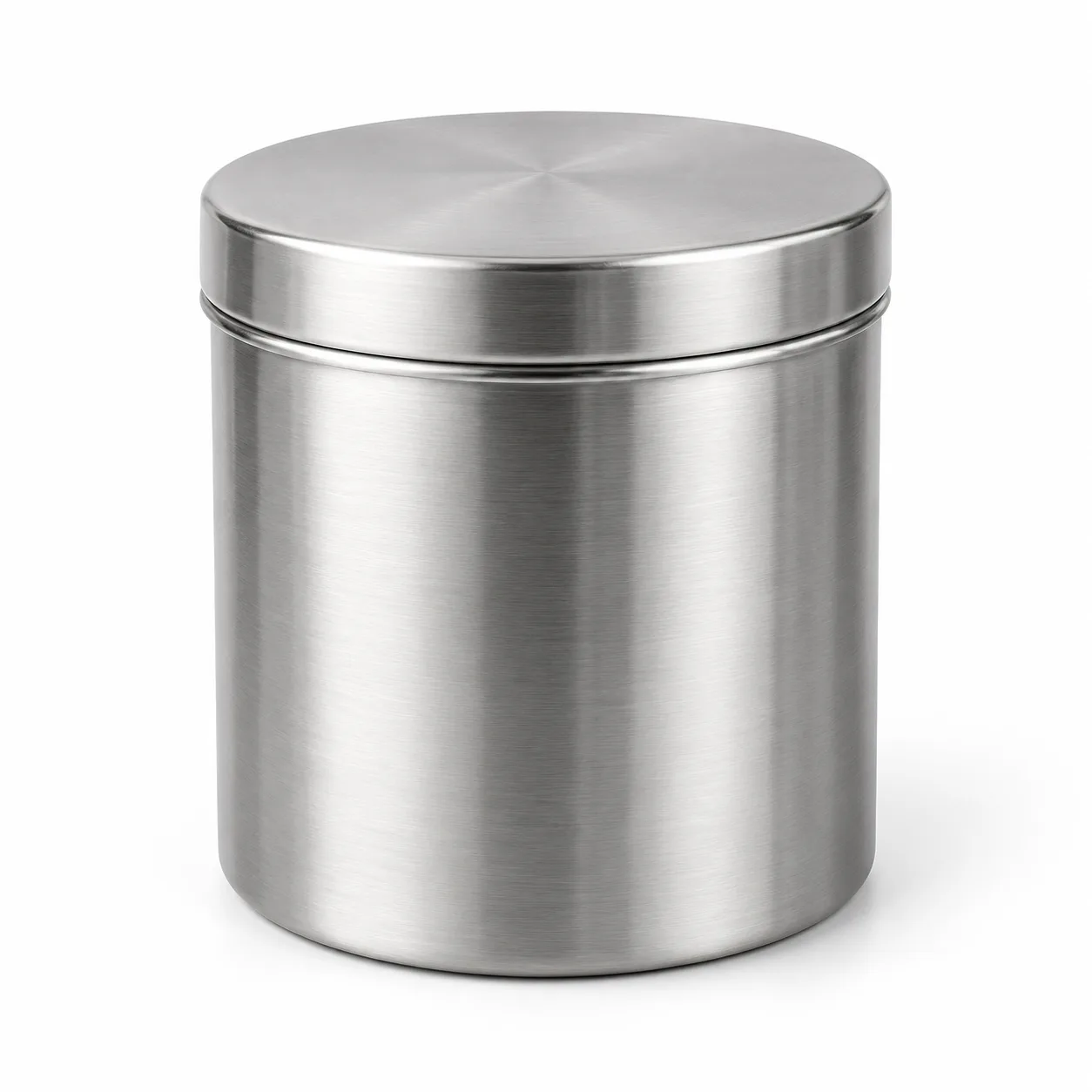
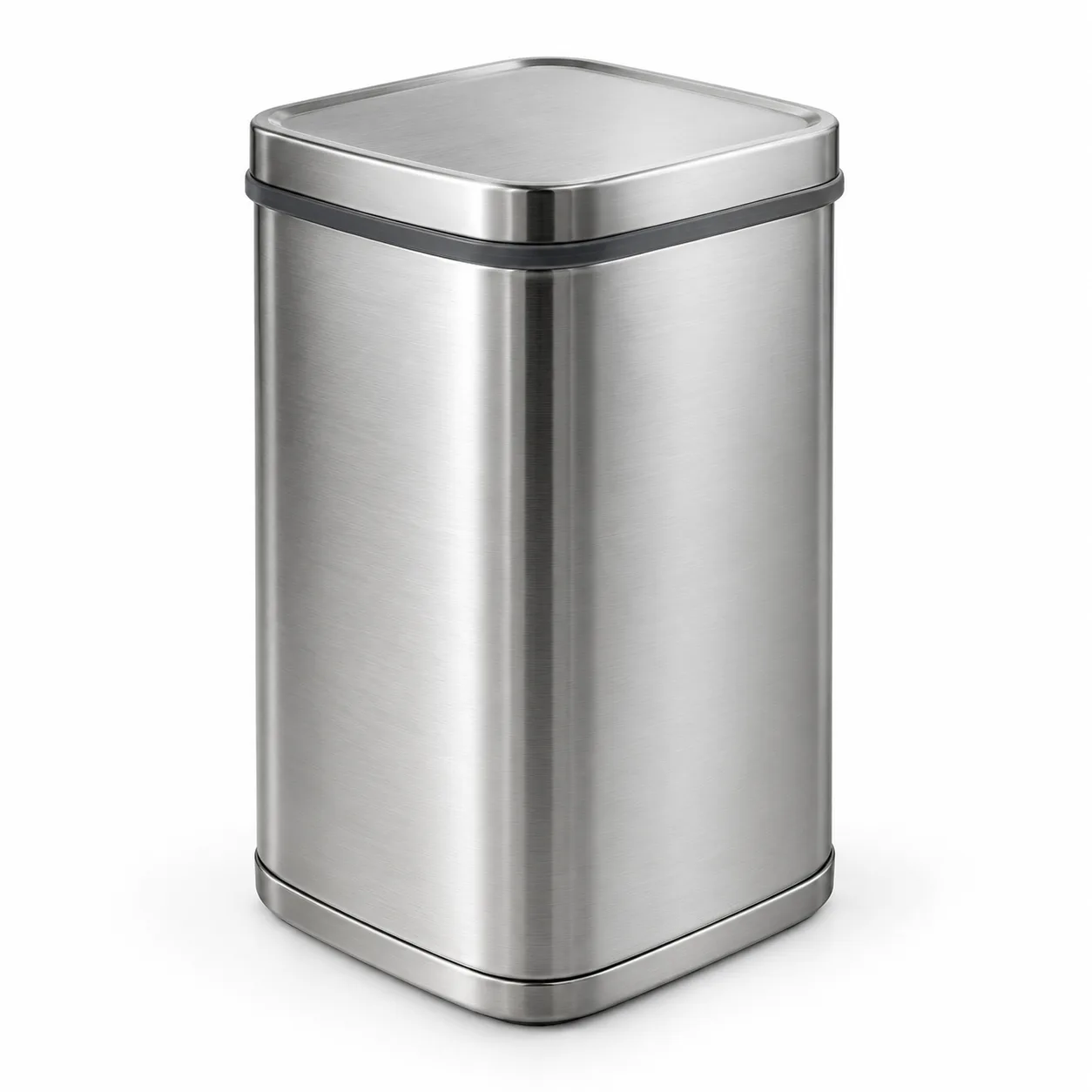
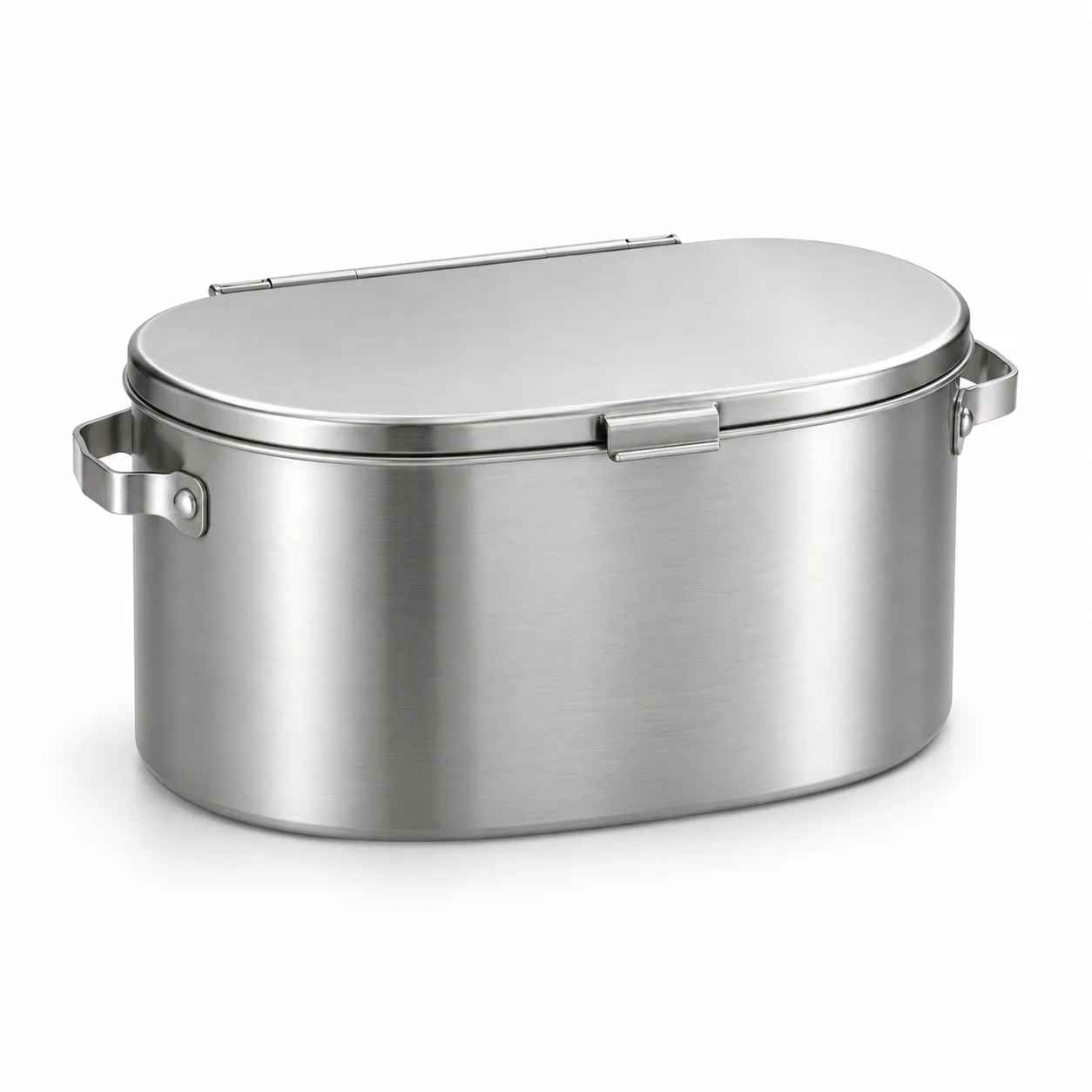
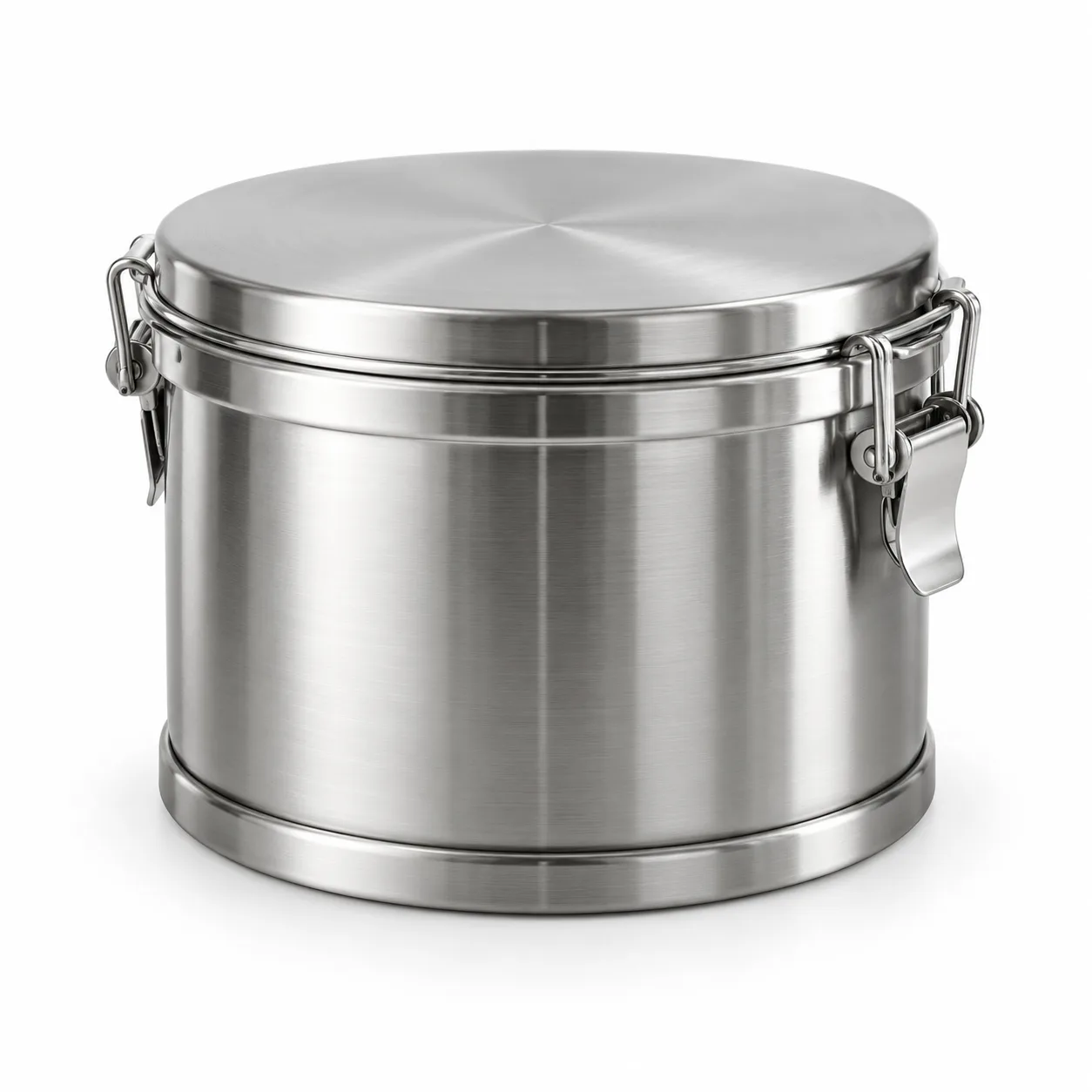
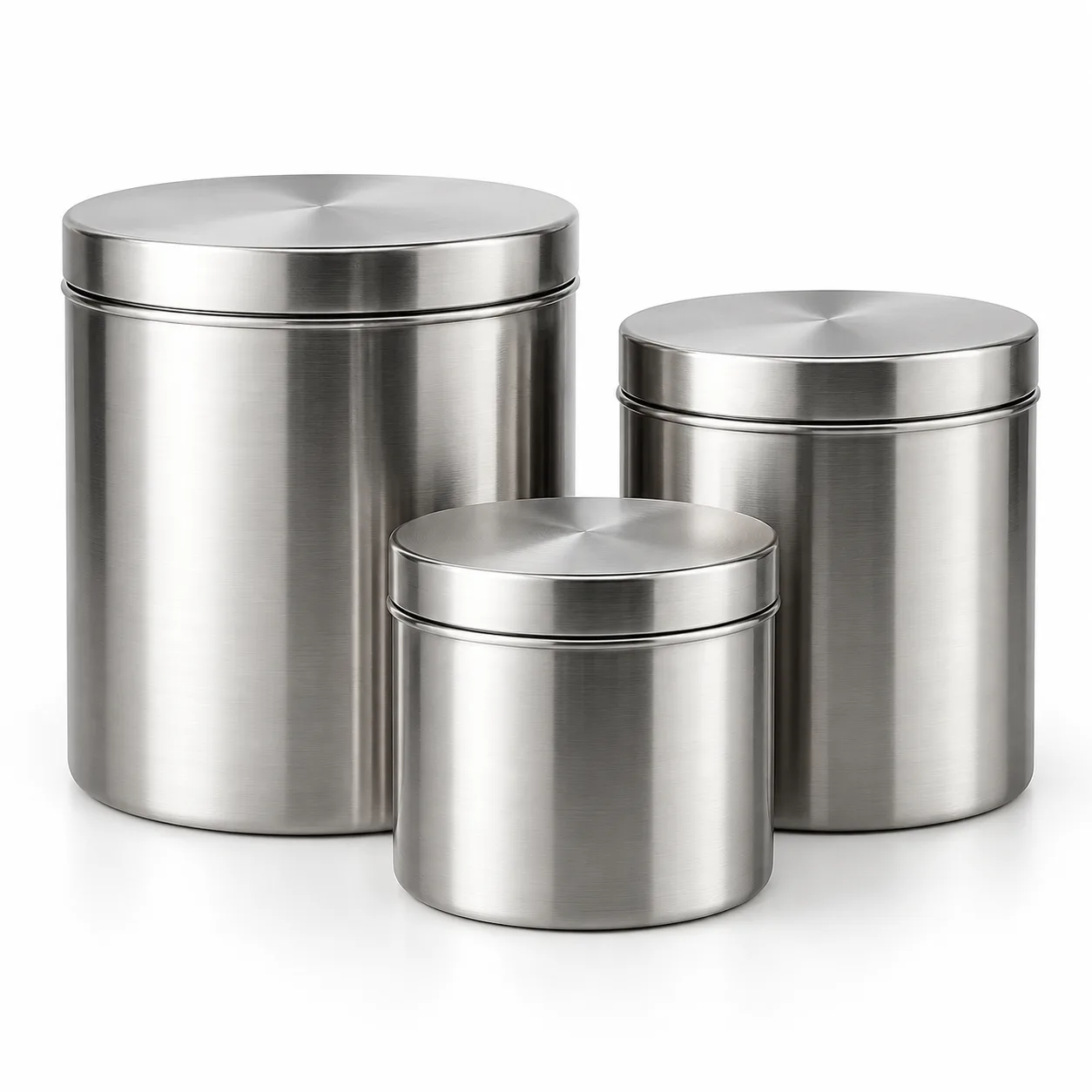
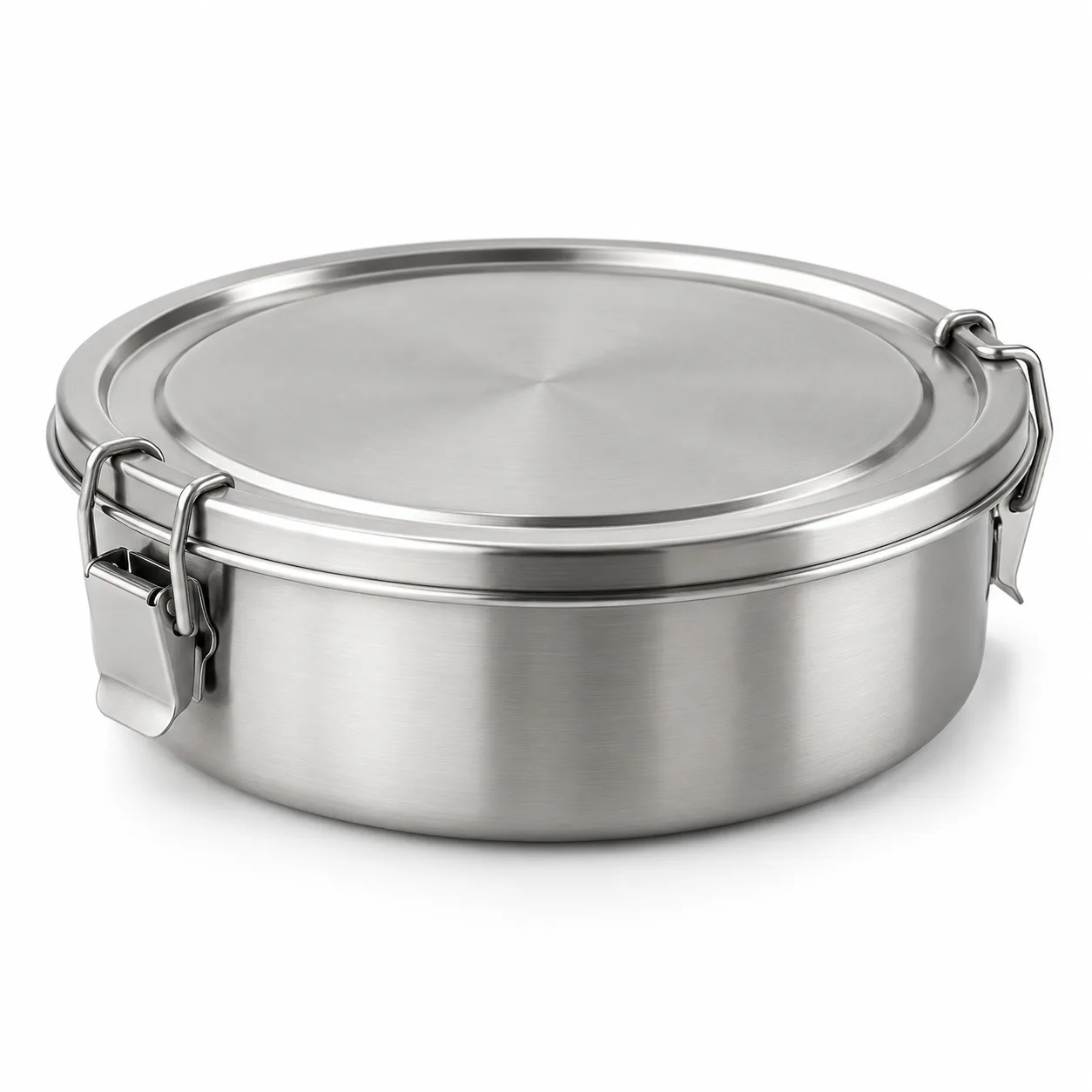
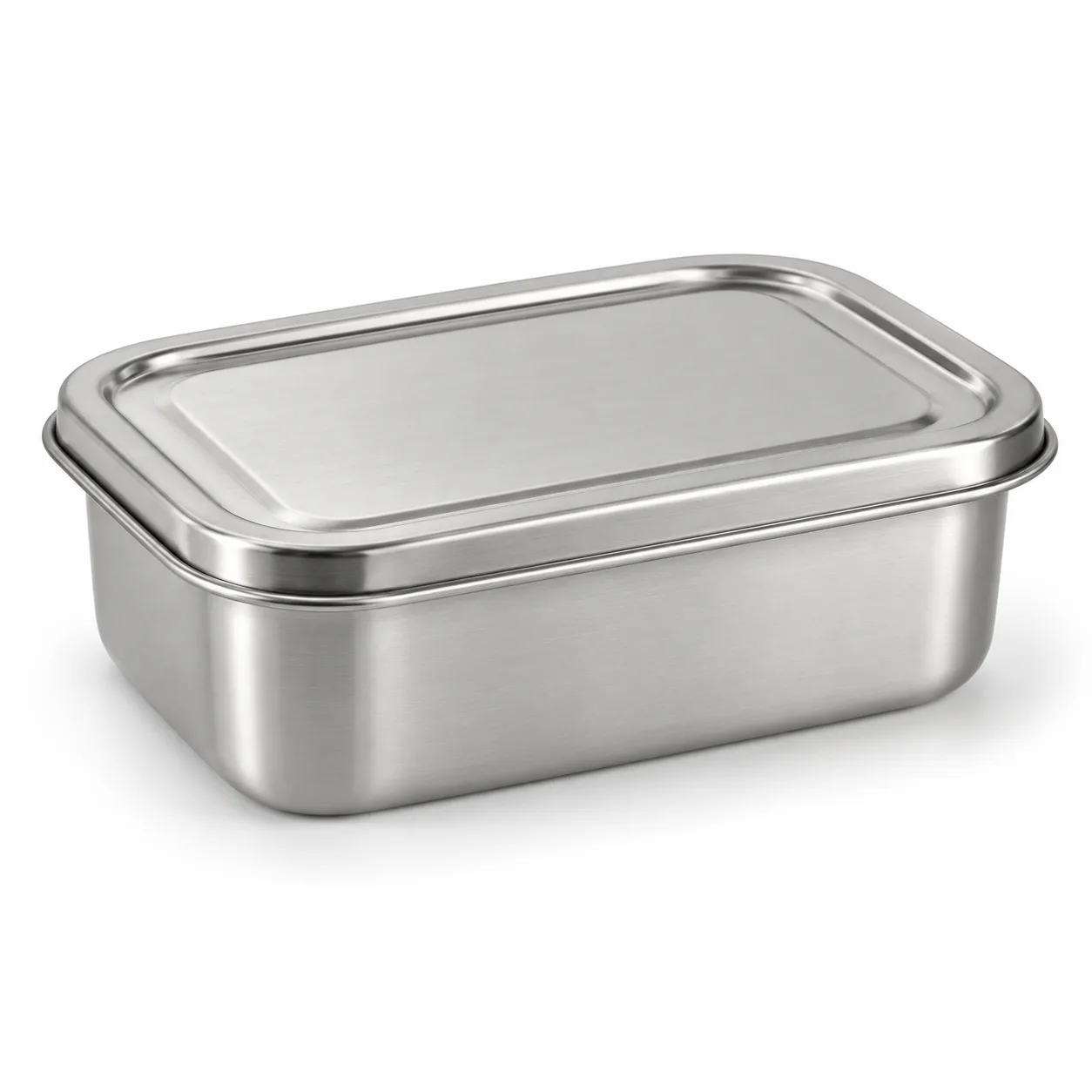
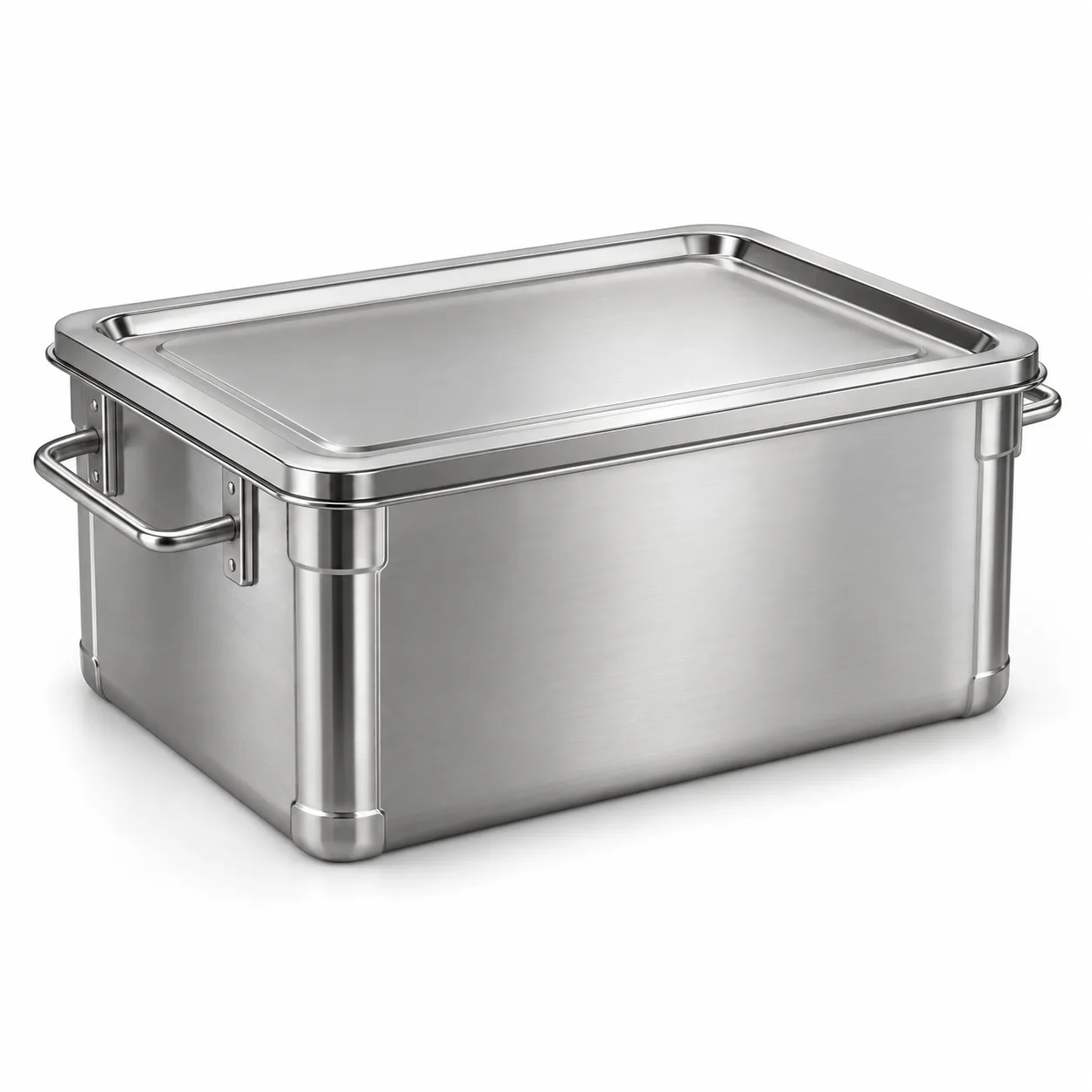
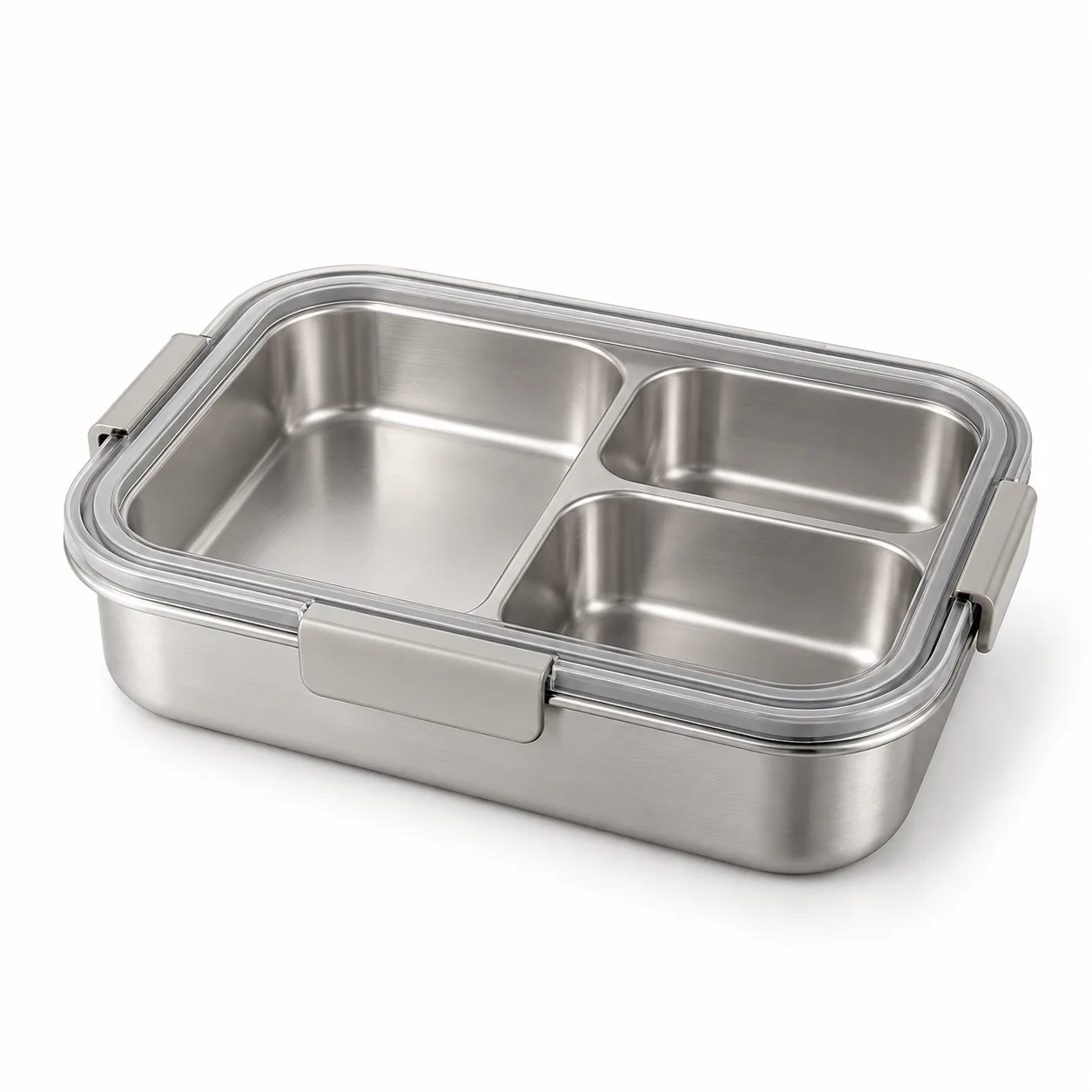
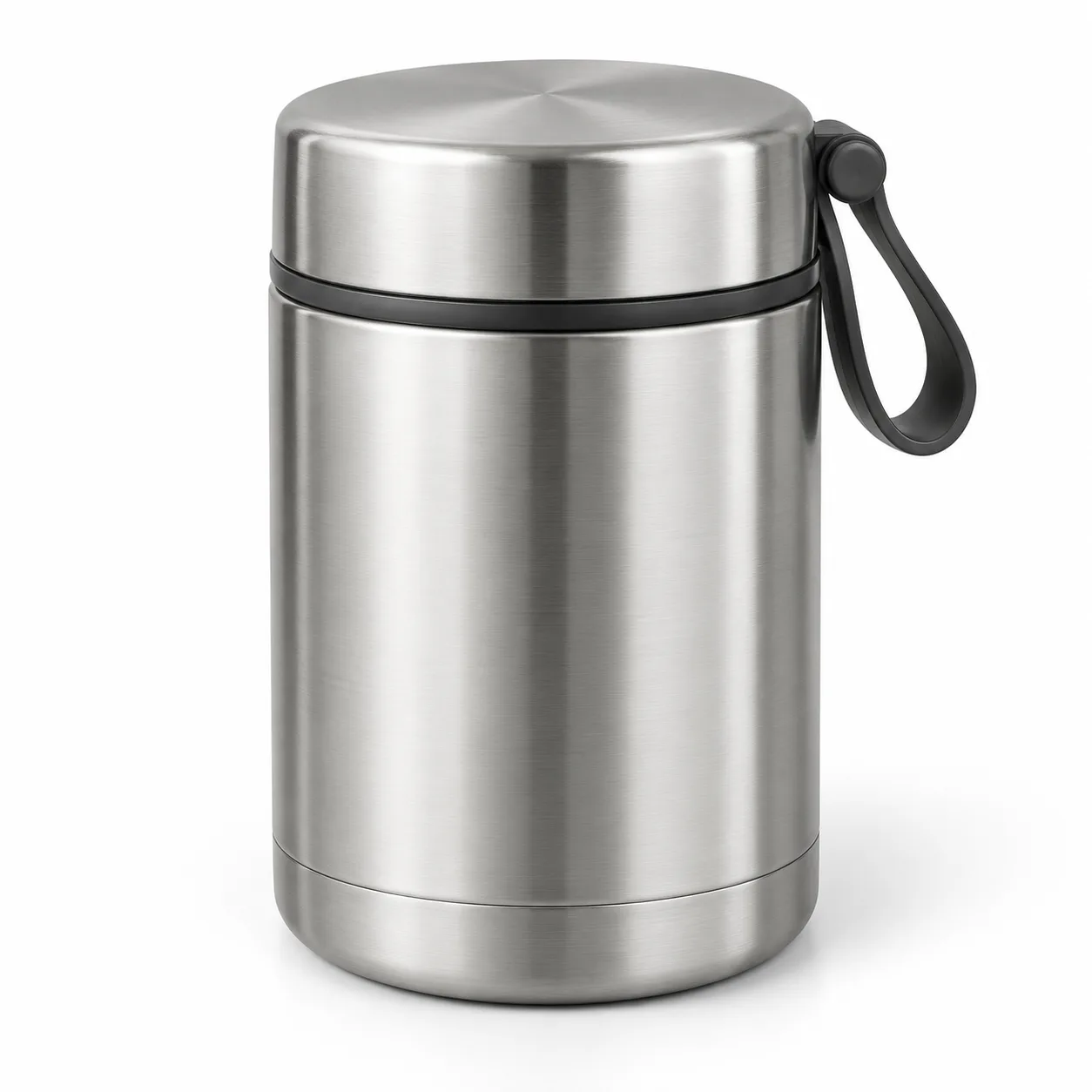
Visual capability evidence
Each image is labeled by its source and purpose. Source-backed photos show comparable part or process context; illustrative renders communicate the reference shape only.
What This Reference Demonstrates
- Forming of a cylindrical, tapered, or stepped container body.
- Controlled rim and edge preparation.
- Bottom geometry and seating stability.
- Cleaning, polishing, or specified appearance routes by project.
Typical Manufacturing Route
- 1Drawing, sample, or concept review
- 2Material and geometry feasibility review
- 3Tooling and deep drawing
- 4Trimming, rim and bottom forming
- 5Cleaning or finishing and four quality gates
Specifications
| Part family | Small or medium formed stainless food container | Core process | Deep drawing, trimming, rim and bottom forming |
|---|---|---|---|
| Supply model | Custom processing reference; no stock SKU | Finish | Polishing, cleaning, or specified finish by project |
Customization from drawing
Quoted from your engineering drawing or approved reference sample — not offered as ex-stock catalog items. Typical adjustable parameters for this forming family:
| Height, diameter, depth, and wall profile | Available | Material and thickness | Available |
|---|---|---|---|
| Rim, bottom, flange, or seating geometry | Available | Surface finish and inspection requirements | Available |
Compliance & documentation
We support appliance and HORECA OEM programs with documented IQC–OQC quality gates, material traceability, and project-specific food-contact, RoHS, and REACH documentation coordinated per purchase order. See our Quality & compliance section for the documentation matrix.
View quality & complianceFAQ for B2B buyers
Drawing-based OEM programs — not retail or ex-stock catalog parts.
- Can you review a food container from a sample or photo?
- Yes. A sample, photo, or early concept can start an initial feasibility review. Final geometry and production scope are confirmed from the project definition.
- Which stainless grades can be evaluated?
- SUS201, SUS304, and selected SUS316 or SUS316L projects can be reviewed according to the forming, corrosion, appearance, and application requirements.
- Can the rim and bottom be customized?
- Yes. Rim, flange, bottom, seating, and related features are reviewed from the drawing, sample, or mating assembly information.
Request a custom quotation
Submit your drawing-based requirements; sales engineering will return a feasibility assessment and recommended next steps. Please include:
- Engineering drawing or dimensional sample photos with critical dimensions
- Annual volume tiers and target delivery window
- Material grade, thickness, surface finish, and compliance market
- Critical mating and quality features: hub interface, weld load capacity, rim circularity, or cosmetic acceptance criteria
Similar reference programs
Same forming family — not interchangeable ex-stock items.